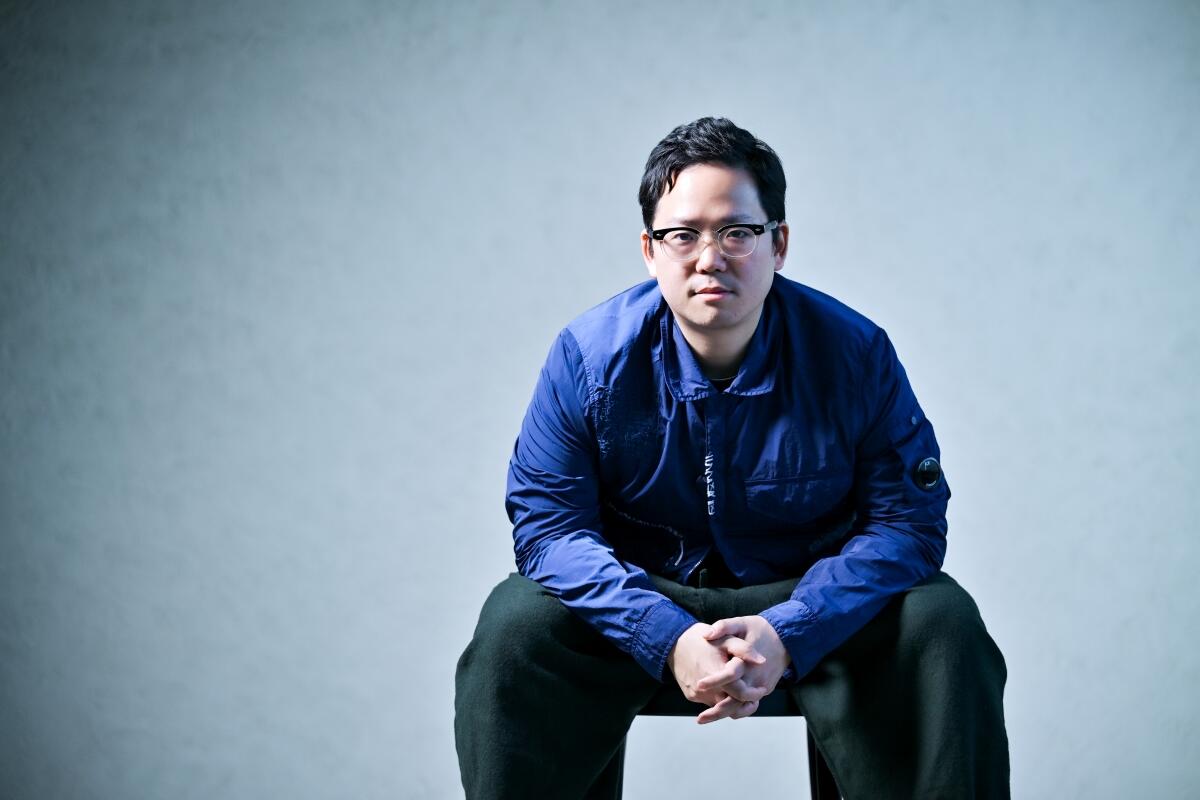
Creator of the Year, an award show organized by the Japan Advertising Agencies Association (JAAA), recognizes an individual who delivered the greatest creative work in advertising communication during the year. Launched in 1989 and held for the 36th time in 2024, the award went to Mitsuaki Miyanaga, Creative Director at Hakuhodo.
What is an advertising creative as defined by Miyanaga, who is deeply involved in corporate branding from data analysis to brand strategy, internal penetration, and communication? We also asked about major turning points of his career.
My work is about branding--I'm surprised that a creator like me won the award
Q: Leading figures in the advertising world have been selected Creator of the Year over the years. How do you feel about winning the award?
MIYANAGA: I was so surprised that someone like me could win this award. Of course I am pleased, but since I was recognized for my activities throughout the year, first I must thank my team and clients. Furthermore, I have deep respect for all my predecessors in the industry who have fostered the culture of advertising.
Q: As JAAA Creative Committee Chairman Hisashi Fujii commented, the Creator of the Year award reflects the ongoing evolution of the advertising industry. Do you think that you winning this award is evidence of change in the advertising industry?
MIYANAGA: I think the general public still largely identify advertising with the production of commercials. But actually, our work covers a wide range of activities including product development and branding. I feel a widening gap between the image of the word "advertising" and the realities of advertising work. I hope that my winning this award will make people recognize the scalability of advertising work, beyond commercial-making.
Q: You just said "someone like me," but what kind of creator do you think you are?
MIYANAGA: In a word, my job is about branding. The term "brand" literally means an identifying mark burned on cattle, which nowadays is like a sticker affixed on branded beef. Genuine branding is not about designing cool stickers but about improving the quality of the beef. To that end, you have to grow good pasture grass, improve the environment of the stock farm, and better motivate the workers.
Branding involves all activities required for this purpose. We plan strategies and produce creative output but they actually have to work for the client. For instance, getting into the nitty-gritty, our job requires total commitment including on issues of internal communication to engage employees, such as how to organize relevant meetings.
Posters left unposted--Output is not the end in itself
Q: How did you come to adopt the style of including internal communication in branding?
MIYANAGA: I had this experience with a manufacturer five years into my career. I was working with the executives of the client, which happened to be one of the leading manufacturers in the industry, when my proposal for product development was flatly rejected with the harsh words: "I bet you don't know anything about the prices of components." Since then, I have had opportunities to meet various kinds of people involved in production and brand development during my visits to factories and stores in outlying areas.
At some of the stores, our posters were left unused in the backyard. When I asked why, they said: "We don't use it because the previous one was better." Witnessing such realities on the ground was a shocking experience for me.
I was filled with a sense of tension, or even a sense of crisis, recognizing that simply producing output might mean nothing. Promotion will go nowhere unless we motivate those who are working in the field and share their perspectives. That completely changed my point of view. Since my sixth year, I have focused on working on the essence of branding, often prioritizing it over commercial production work.

Q: How do you build essential branding? Can you give us some concrete examples?
MIYANAGA: My work with Don Quijote (a subsidiary of PPIH) is a case in point: it was about expanding the ongoing private brand business. In order to grow a private brand, you have to convince sei-katsu-sha* of the usefulness of the products, for which, naturally, you have to start by ensuring the products are actually good. And that in turn means that you have to have strong aspirations for developing the brand with the client's employees who will be responsible for it. Together, we had to work out what kinds of meetings we would have and what kinds of products we would develop, for example. That's why I decided to accompany the client throughout the whole process.

Q: Where are the issues to be addressed; how do you identify them?
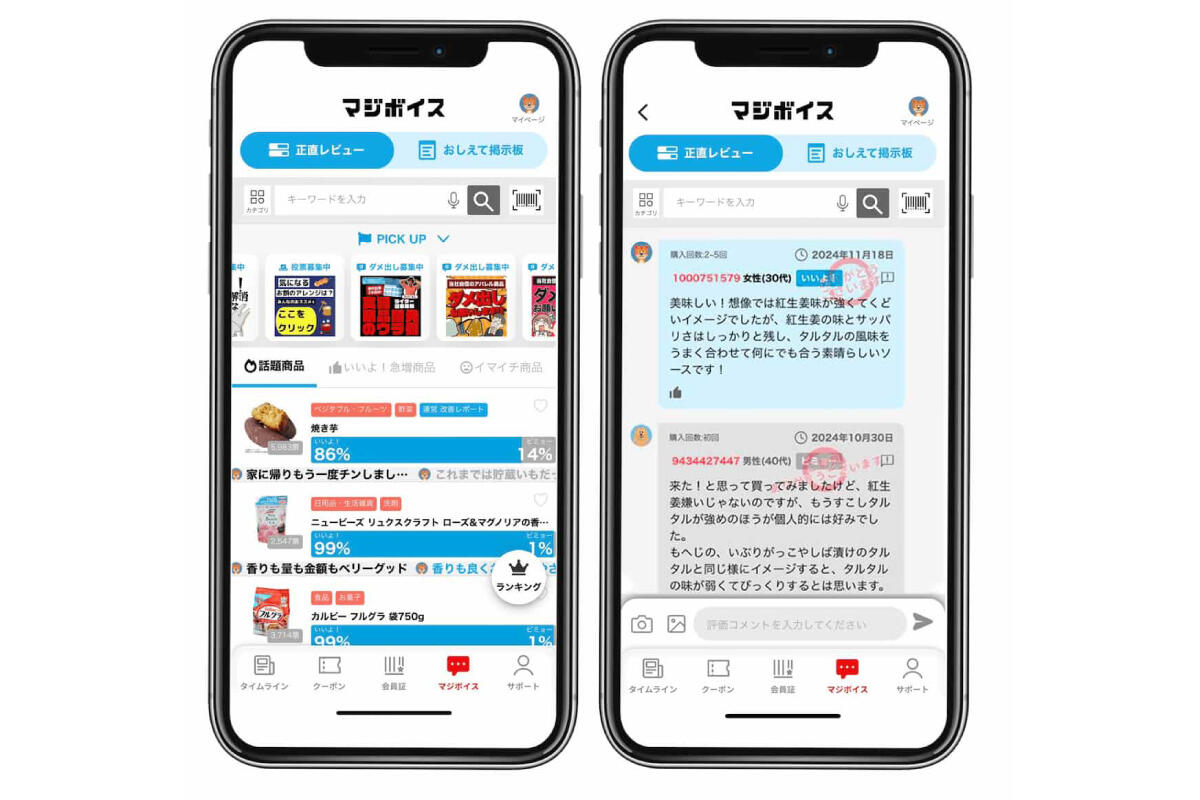
MIYANAGA: With Don Quijote, for example, I kept taking the pulse post-launch through discussions with my counterparts as necessary, asking questions like: "How can we help promote Jonetz Price in store?" and even "How can we encourage store staff to promote Jonetz Price?" When momentum is lacking, we interview various stakeholders to find out exactly where we went wrong.
Even after the overall brand policy has been determined, we need to ensure flexible response through conversations with different stakeholders. Even though some parts of the brand concept are not negotiable, I think we should be flexible enough to iron out the rough spots.
Meticulous, flexible and respectful communication with clients
Q: What do you think are the things that only an advertising company can do for a manufacturer?
MIYANAGA: The creative power of an advertising company is its wealth of insights into how to convince sei-katsu-sha of the quality of the product or service just placed in the market. I believe that designing relevant meetings and internal communication to motivate employees is an essential part of translating the insights into activation initiatives.
In fact, however, our involvement might generate a kind of rejection within the client. Manufacturers are professionals at making products, with their own theories and conditions on the ground, and different factors to be addressed. And that is why we have utmost respect for the client when engaging in a project, building a frank-speaking, straightforward relationship to explore the appropriate goal in a flexible manner. If there is anything that we do not understand, we throw away our foolish pride and instead ask the client for help and seek the advice of many stakeholders. We place great importance on this kind of really basic communication.

Q: As a member of the jury commented, you won this award because you "dived into the clients and produced results with ideas generated from the perspective of a creator who can identify business challenges by putting himself in the middle of those challenges."
MIYANAGA: I am pleased with the compliment because it means that the interpretation of "creative" has been widened. I am grateful for the opportunity to work with the executives in my fifth year with Hakuhodo and the experience of witnessing the posters left in the backyard. That was a key turning point of my career.
Q: Finally, could you tell us about your future career, including the types of work you want to be involved in?
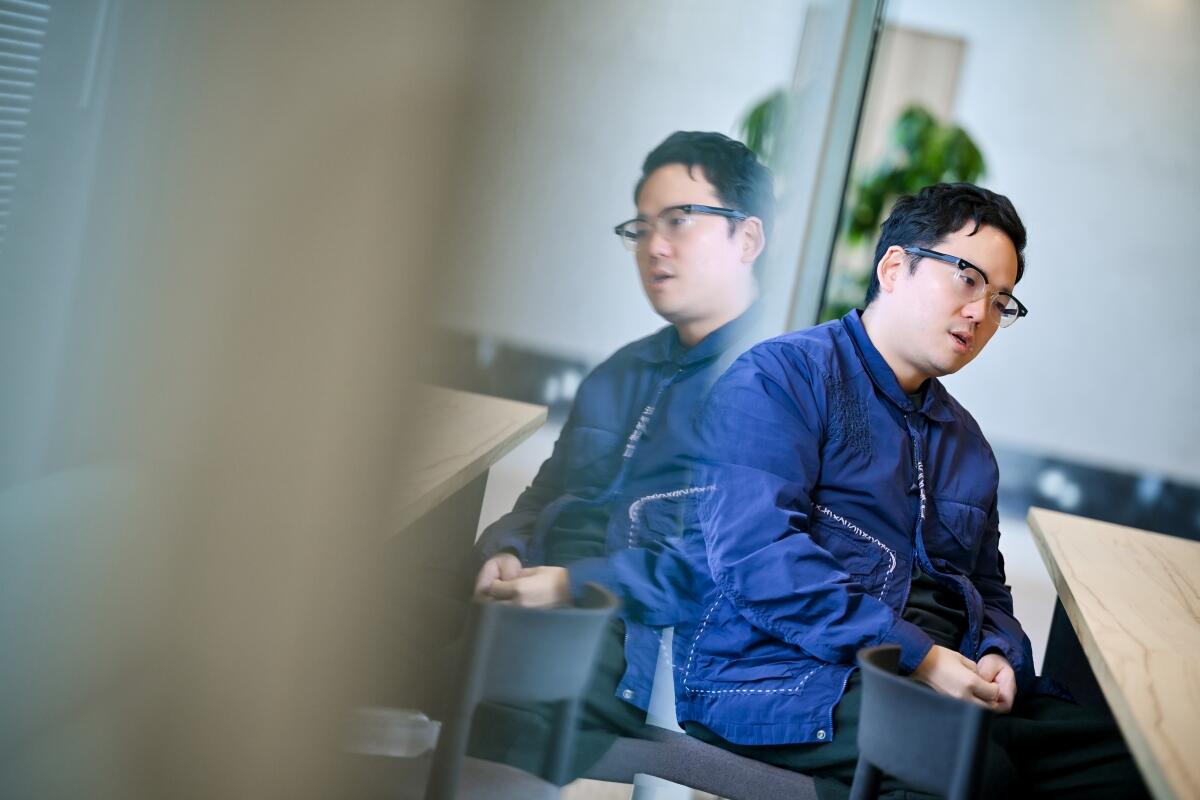
MIYANAGA: I believe the future of creators lies in design, including for product development and internal communication.
I also hope to scale up and replicate the style of projects in which I am currently involved, such as app and service development. If this style becomes a norm, future generations will take it for granted, and build on it to realize what more they want to do, and what they should do. I'm sure they will craft a completely new landscape that I have never thought of, or could ever have imagined. I believe the future will be more enjoyable if the next generation of creators can explore wider possibilities by doing what they like.
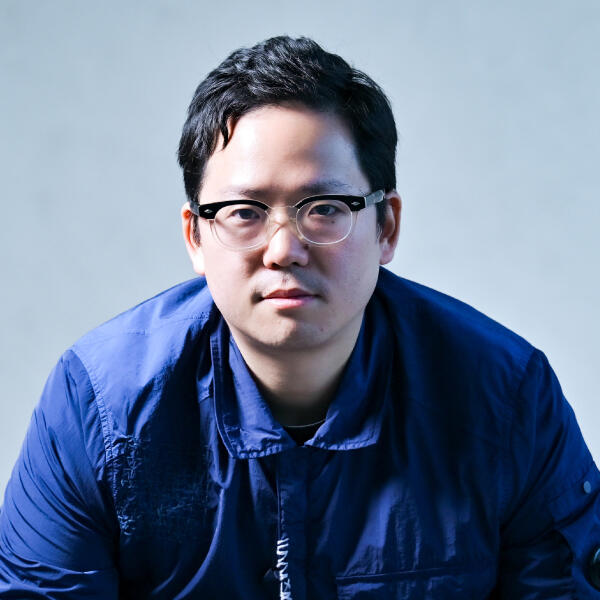
Mitsuaki Miyanaga
Creative Director, Creative Division, Hakuhodo
Having joined Hakuhodo in 2012, Mitsuaki Miyanaga now serves as Creative Director and General Manager of the Creative Division and Leader of YOKI. As a secondee, he worked with a catalog retail client at Hakuhodo DY Media Partners. He subsequently moved to marketing to manage communications strategy, product development, business strategy and formulating the Medium-Term Business Plan. Now with the Creative Division, he is in charge of integrated planning across multiple disciplines.
- "Sei-katsu-sha" is a term we use to describe people not simply as consumers, but as fully rounded individuals with their own lifestyles, aspirations and dreams.